
Sleep Apnea Treatment
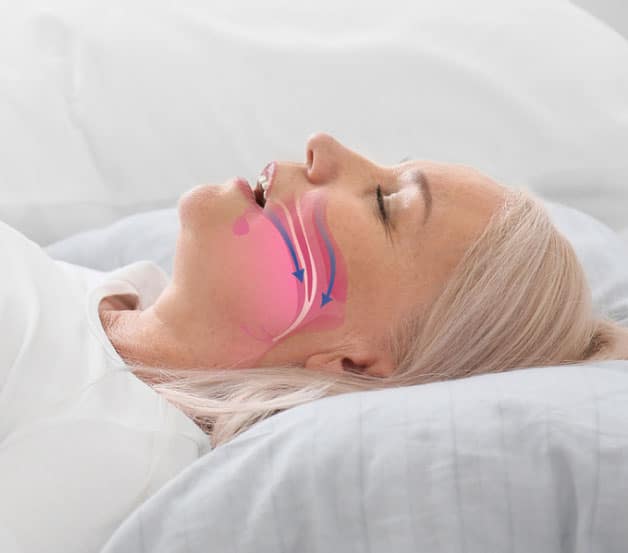
Sleep apnea is a common sleep disorder that causes a person to stop breathing for short periods during sleep. These pauses can occur multiple times a night, often without the person being aware of them, and can lead to daytime tiredness, poor focus, and even long-term health risks if left untreated.
There are three main types of sleep apnea:
1. Obstructive sleep apnea is the most common type of sleep apnea. It occurs when the muscles in the back of the throat relax excessively, blocking the airway.
2. Central sleep apnea occurs when the brain fails to send the correct signals to control breathing.
3. Complex sleep apnea is a combination of both obstructive sleep apnea and central sleep apnea.
Many people with sleep apnea experience loud snoring, restless sleep, or waking up feeling unrefreshed, despite having slept for an entire night. Left untreated, it can increase the risk of heart problems, high blood pressure, and other severe health conditions.
UPLOAD YOUR SMILE
What are the factors that cause sleep apnea?
Several factors can increase the likelihood of developing sleep apnea, such as:
- Anatomy of the airway,including a narrow throat, large tonsils, or specific jaw shapes
- Excess weight,which may place pressure on the airway during sleep
- Sleeping position,especially lying on the back, can cause the airway tissues to collapse
- Use of alcohol or sedatives,which can overly relax the muscles that keep the airway open
- Nasal congestionor chronic sinus conditions that affect airflow
- Family history,which may indicate a higher genetic risk
At Affinity Dental in Chicago, we offer custom oral appliances designed to support the airway during sleep. These non-invasive devices can help reduce symptoms and improve sleep quality.
Overview of Dentistry to Treat Sleep Apnea
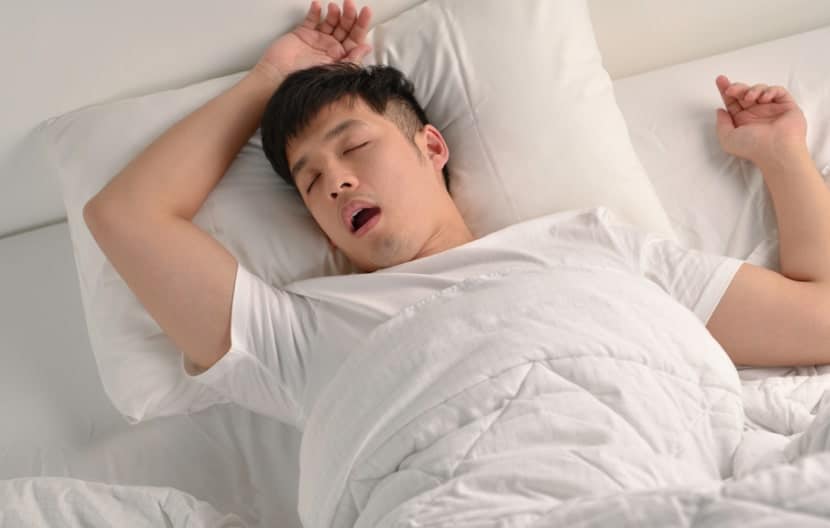
Traditionally, sleep apnea was managed with the use of CPAP machines. However, the dentistry field has evolved to include alternative treatments that are more convenient and comfortable.
One such treatment involves using an oral dental appliance for sleep apnea. These appliances are custom-made at Affinity Dental and are designed to keep the airway open during sleep by repositioning the jaw and tongue.
In Chicago, dentists specializing in sleep apnea treatments have the necessary expertise and technology to provide customized oral appliances. These professionals, known as sleep apnea dentists in Chicago, craft these appliances and provide the guidance and follow-up care essential for effective treatment.
Signs and Symptoms of
Sleep Apnea
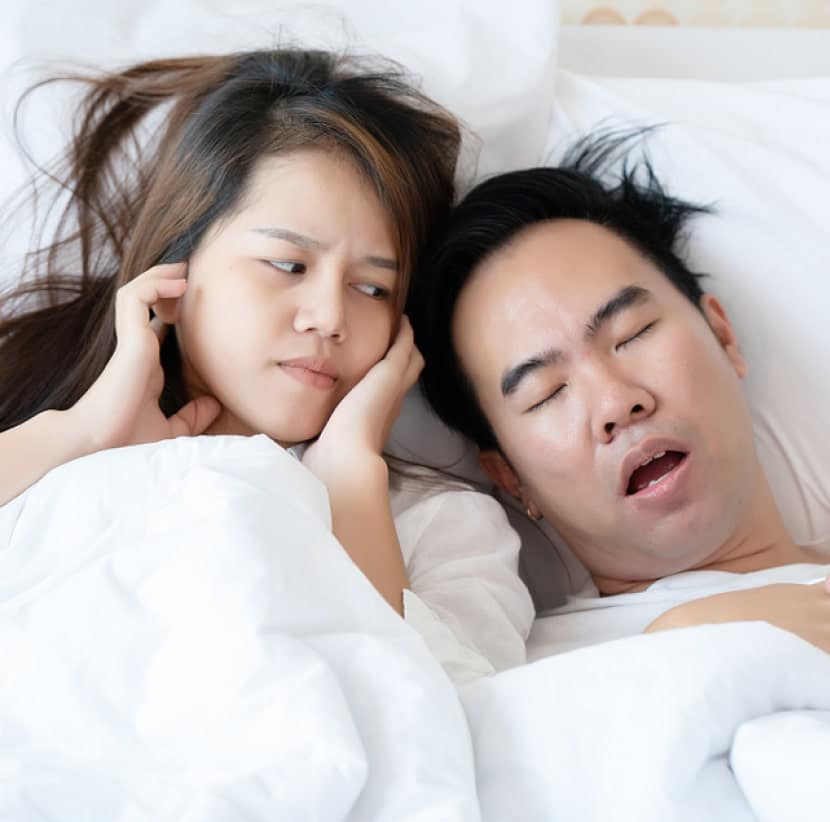
Before delving into treatment options, it’s important to recognize the signs and symptoms of sleep apnea. Common signs include:

Loud snoring
Gasping for air during sleep
Excessive daytime sleepiness
Other symptoms can include:
Morning headaches
Difficulty concentrating
Irritability and a dry mouth upon waking
It's essential to consult a healthcare professional if you experience these symptoms, as sleep apnea can have long-term health impacts.
Sleep Apnea Treatment Options at Affinity Dental
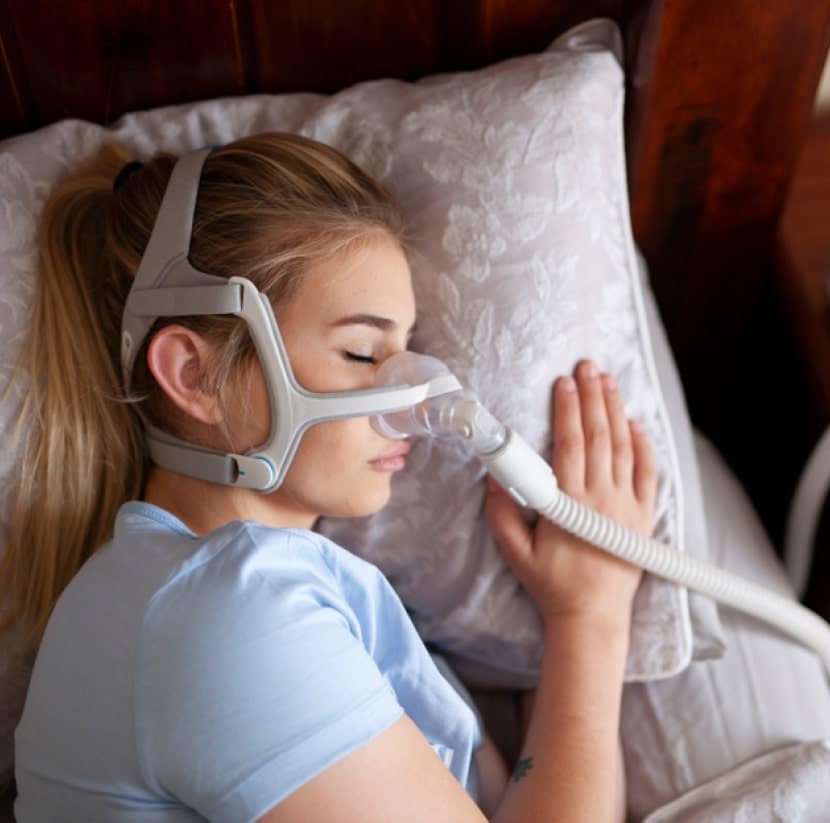
Several treatment options are available for those diagnosed with sleep apnea in Chicago. The choice depends on the severity of the condition and personal preference.
Continuous Positive Airway Pressure (CPAP) Machines
This traditional treatment involves wearing a mask over the nose and/or mouth. A machine blows air into the mask to keep the airway open during sleep.
Oral Dental Appliances
As mentioned earlier, these are custom-made by sleep apnea dentists and work by repositioning the jaw to keep the airway open. They are often recommended for patients with mild to moderate sleep apnea and are preferred by many due to their comfort and convenience compared to CPAP machines.
Surgery
In severe cases, or when other treatments are ineffective, surgery might be considered. This can include procedures to remove excess tissue from the throat, repair structural abnormalities, or implant devices stimulating the tongue.
Lifestyle Modifications
Sometimes, simple changes such as losing weight, changing sleeping positions, or avoiding alcohol can alleviate sleep apnea symptoms.
How Soon Can You See Results With
Sleep Apnea Treatment?
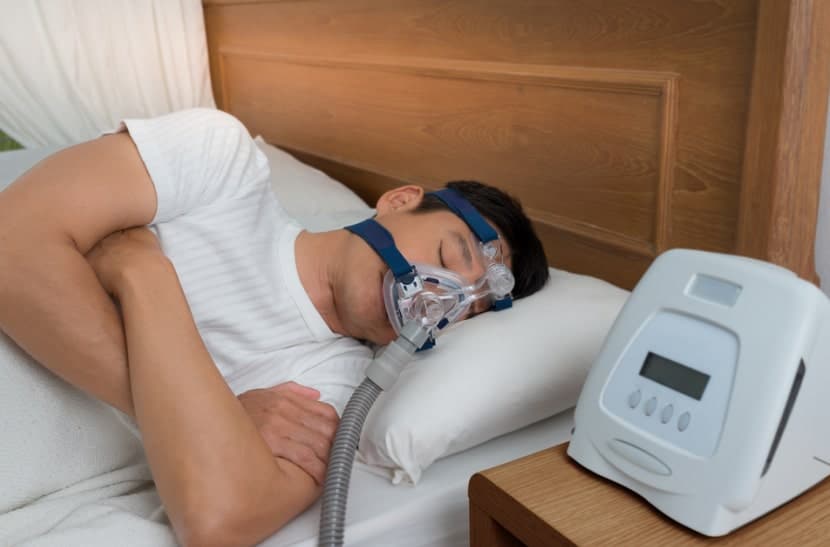
The timeframe for seeing results varies depending on the treatment option chosen. CPAP machines may offer immediate relief, while oral dental appliances might take a few weeks for the patient to adjust and notice improvements.
Lifestyle modifications and surgeries require even more time to show significant results. Regular follow-ups with your sleep apnea dentist in Chicago are critical to monitoring the treatment’s progress and making necessary adjustments.

FAQ's
Yes, sleep apnea can have a hereditary component. However, lifestyle factors also play a significant role. If a family member has sleep apnea, it may increase the risk for others, but lifestyle changes and treatments can help manage it.
If untreated, sleep apnea can lead to serious health issues like high blood pressure, heart disease, stroke, and fatigue-related accidents. It’s essential to seek treatment to avoid these complications.
Sleeping on your side is often recommended for people with sleep apnea. This position helps keep the airway open and reduces the chance of airway blockages, making nighttime breathing more comfortable.
While there’s no guaranteed natural cure for sleep apnea, lifestyle changes like weight loss, regular exercise, avoiding alcohol before bed, sleeping on your side, and maintaining a consistent sleep schedule can help reduce symptoms. Consulting with a healthcare professional at Affinity Dentalfor personalized advice and treatment recommendations is crucial.
Sleep apnea doesn’t directly cause seizures, but it can increase the risk for those already prone to seizures due to conditions like epilepsy. Disrupted oxygen levels and brain activity changes during apnea episodes may trigger seizures in susceptible individuals. Consulting a healthcare professional is crucial for managing both conditions effectively.
Schedule an Appointment With the Best Sleep Apnea Dentists in Chicago
For residents in and around Chicago, seeking effective sleep apnea treatment is crucial for overall health and well-being.
Affinity Dental, renowned for its expertise and state-of-the-art solutions in treating sleep apnea, is your ultimate destination.
Don’t let sleep apnea keep you up at night. Schedule an appointment with Affinity Dental and embark on an uninterrupted, restful sleep journey. Your future self will thank you.